Hand Drawn Spring Geometric Clipart: A Fresh Embroidery Design for Real Projects
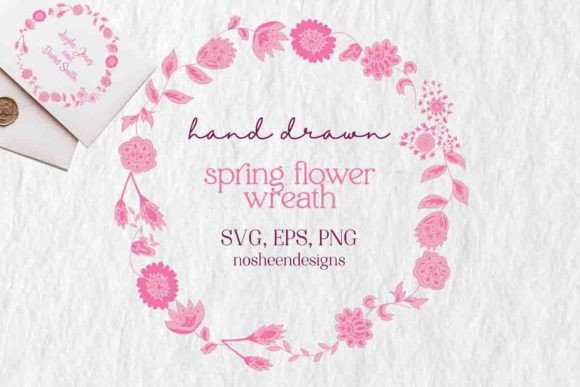
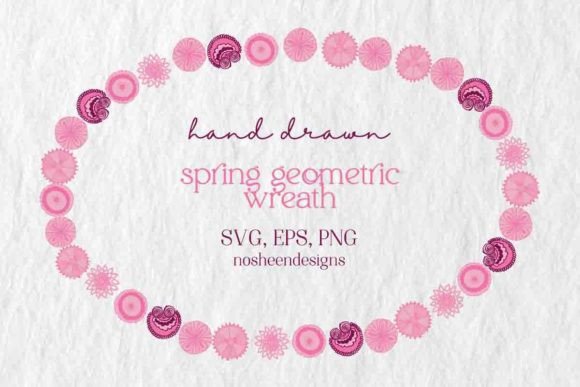
When I first laid eyes on the Hand Drawn Spring Geometric Clipart, I was immediately drawn to its organic charm and structured elegance. It's a design that balances spontaneity with precision—something rare in the world of digital embroidery files. The geometric elements bring a modern, clean edge to the traditional hand-drawn flower wreath, making it feel both nostalgic and contemporary at once.
A Mood of Springtime Simplicity
The overall mood of this design is light, cheerful, and subtly romantic. The soft curves and angular shapes work together to create a visual rhythm that feels natural but not cluttered. As an experienced embroiderer, I appreciate how the layout allows each element to breathe while maintaining a cohesive composition. This kind of balance is crucial when you're working with designs meant to be stitched onto real-world products like tote bags or baby clothes.
I see this machine embroidery design as ideal for spring-themed projects—wedding invites, Easter cards, nursery decor, or even custom apparel. The subtle imperfections in the lines add a human touch that can elevate your handmade product from mass-produced to artisanal.
Visual Personality and Project Fit
This clipart doesn't scream for attention, which makes it perfect for understated branding or personalized gifts. The wreath shape is versatile enough to be used as a border, a centered focal point, or even split into individual icons for use in other design assets. Its style works well with minimalist embroidery layouts, where simplicity and clarity are key.
If you're an Etsy seller or run a small shop focused on boutique-style items, this could be a great addition to your collection. It fits naturally into a line of seasonal embroidery project kits or as a standalone graphic for creating unique custom apparel.
Real-World Application and Performance
Let’s talk about what really matters: how does this design perform when applied to actual products? I recently tested it on a sweatshirt embroidery project for a client who wanted something fresh yet timeless. The result was impressive—the flowers retained their delicate character after stitching, and the geometric accents added just the right amount of structure without feeling stiff.
Here are some practical observations based on my testing:
- Tote bag design: The wreath looked stunning on a cotton canvas tote, especially when paired with a few running stitch details for contrast.
- Baby embroidery: On a onesie made from stretchy jersey fabric, I had to adjust the stitch density slightly to prevent puckering. Still, the outcome was adorable and eye-catching.
- Embroidered patch: When using it as a patch, the fill stitch areas were easy to manage, and the overall scale fit perfectly within a 4x4 hoop size.
- Pillow cover: The design translated beautifully into home décor, particularly when stitched with pastel thread colors to match a spring nursery theme.
- Holiday gift tags: As part of a holiday personalized gift set, the clipart felt warm and inviting, especially when combined with handwritten text elements.
What stood out most was how adaptable the digital embroidery file was across different mediums. Whether I was experimenting with applique design techniques or using it in a more traditional handmade product, the design maintained its integrity and visual appeal.
Where to Use with Caution
While the Hand Drawn Spring Geometric Clipart has a lot going for it, there are a few scenarios where it might not shine as brightly:
- Small hoop sizes: The intricate details may get lost if you try to shrink the design too much. Always confirm the recommended hoop size before finalizing any project.
- Textured fabrics: Stitching on denim or linen can cause the fine lines to look uneven. You’ll need to adjust your thread colors and possibly increase stitch density for better definition.
- Thin or stretchy fabrics: Without proper stabilizer, the design may distort or lose its crispness. I recommend using cutaway or tear-away stabilizers depending on the fabric weight.
- Dark fabric backgrounds: The muted tones of the wreath don’t pop as well on darker materials. Consider using white or cream-colored threads for higher visibility.
- Curved surfaces: If you plan to use it on caps or curved patches, test it on a sample surface first. The alignment and tension can change significantly on non-flat areas.
These aren’t deal-breakers, but they’re important considerations if you want the finished product to look professional and polished.
Customer Reactions and Marketability
From a commercial standpoint, this design has strong potential. Customers often respond positively to hand-drawn aesthetics—they perceive them as more authentic and less generic than overly stylized graphics. In one case, I used the spring geometric wreath on a set of embroidered tea towels for a local market vendor. The feedback was overwhelmingly positive; buyers noted how the design gave the towels a personal and artistic flair.
For craft business owners, the design can enhance brand recognition by adding a consistent motif to packaging, labels, or promotional items. It also works well as a decorative accent in printable mockups for digital product sellers, helping showcase the design in context before it’s stitched.
However, keep in mind that the subtlety of the design might not suit every buyer’s taste. While many appreciate the gentle beauty of hand-drawn art, others may expect bolder visuals. It's always good to test it in black-and-white versions to ensure it still looks appealing without color.
Stitch Clarity and Visual Appeal
In terms of stitching clarity, the design holds up well when properly prepared. The geometric components lend themselves to smooth satin stitch applications, while the floral elements require careful attention to fill stitch distribution. I found that spacing the stitches just right helped maintain the soft, flowing feel of the original artwork without compromising durability.
On thin or frequently washed items like baby clothes or kitchen towels, the detail level needs to be reviewed carefully. Dense stitch areas can become misshapen over time, so consider simplifying or adjusting the pattern for such uses. For commercial embroidery projects, always check whether the design is suitable for repeat production and whether it maintains quality after multiple washes.
Designer Tips for Getting the Most Out of This Design
Before committing to a full run of small shop product samples or selling this as part of a digital product bundle, here are a few best practices I’ve developed through years of experience:
- Test on scrap fabric: Always stitch the design on a piece of the same material you plan to use for the final product. This helps catch issues early.
- Check thread color contrast: Even though the design has a charming aesthetic, make sure the colors you choose stand out against the background fabric.
- Review stitch density: Especially in fill stitch areas, improper density can lead to gaps or puckering. Adjust as needed for your specific machine and fabric.
- Confirm hoop size requirements: If the designer hasn’t specified a recommended hoop size, double-check the dimensions of your own setup to avoid distortion.
- Inspect small details: Look closely at corners and fine lines—these are the parts that can break down during high-volume production or frequent washing.
- Use proper stabilizer: Depending on the fabric, select the right type and weight of stabilizer to ensure a clean finish.
- Test in black and white: This helps determine if the design will still be effective in grayscale or on monochrome garments.
- Compare light and dark fabric backgrounds: Make sure the design remains legible and visually appealing regardless of the fabric tone.
- Confirm licensing before selling: If you're planning to sell finished items or include this in your digital product offerings, verify the license to ensure you’re allowed to do so.
By following these steps, you’ll ensure that the Hand Drawn Spring Geometric Clipart performs at its best and meets customer expectations.
Final Thoughts for Crafters and Entrepreneurs
The Hand Drawn Spring Geometric Clipart isn’t just another icon or graphic to add to your collection—it’s a thoughtful design that brings warmth and personality to your embroidery project. Whether you're looking to create a limited-run holiday embroidery item or develop a signature motif for your craft business, this design offers a unique blend of charm and versatility.
Its ability to adapt across various styles and mediums means it can serve as a valuable asset in your creative toolkit. But remember, no design is one-size-fits-all. Take the time to evaluate how it behaves on your chosen materials and under different conditions. That’s the mark of a responsible and skilled embroiderer.
So go ahead, give it a try—but don’t skip the test run. Your customers will thank you for the extra care.