Baseball Cousin: A Versatile Embroidery Design for Real Projects
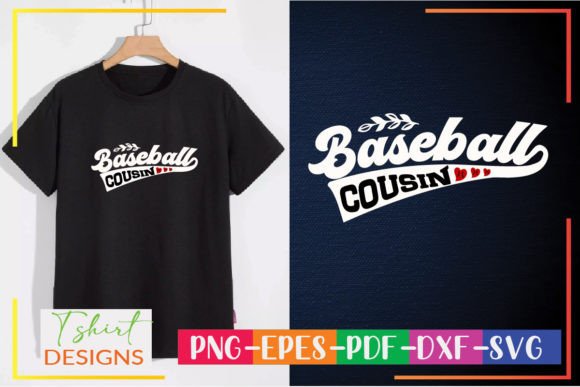
As an experienced embroidery designer and product reviewer, I always look for designs that not only stand out visually but also perform well in real-world applications. When I first opened the Baseball Cousin digital download, I was immediately drawn to its charm and clarity. This design is a print-ready transparent PNG file at 300 DPI, with SVG, DXF, PDF, and EPS formats included — making it adaptable across various crafting and embroidery platforms.
A Playful Yet Professional First Impression
The Baseball Cousin has a whimsical yet clean aesthetic that instantly conveys fun and familiarity. The layout is balanced, with clear negative space and bold outlines that suggest good stitchability. The theme centers around a baseball player figure or mascot, likely stylized with simple lines and expressive features. It’s the kind of design that can fit into both casual craft projects and more polished commercial items without feeling out of place.
Visually, the detail level is just right — enough to make the design interesting, but not so intricate that it becomes a nightmare to stitch. Its personality is friendly and approachable, which makes it ideal for products aimed at kids, sports enthusiasts, or anyone looking to add a touch of nostalgia or humor to their work.
Real-World Applications and Project Fit
Let me walk you through how this design might play out in my workflow. Imagine preparing a custom embroidered tote bag for a local boutique. The Baseball Cousin would be a great choice for a front pocket or as a centered motif on the handle. Its size (10x10 inches) gives flexibility, especially if I’m using a smaller hoop. For a sweatshirt or baby onesie, the design could be scaled down slightly and placed on the chest area. The key is ensuring there's enough room for the stitch density without overcrowding the fabric.
This design also works well for patches. If I were creating a line of embroidered patches for a sports-themed Etsy shop, the Baseball Cousin would fit right in. The vector format ensures crisp edges when cut or printed, and the transparency in the PNG allows for easy mockup creation before sending files to clients.
Where to Use With Care
While Baseball Cousin is versatile, there are situations where it may require some extra attention. For example, if I were working with a very small hoop size, I’d need to scale it down carefully to maintain the integrity of the shapes and details. Similarly, on textured fabrics like canvas or denim, the stitch definition could become muddier if the stabilizer isn’t appropriate.
I’ve noticed that thin or stretchy materials, such as soft cotton knits or rayon blends, can sometimes distort under dense stitching. Since this design uses a combination of satin and fill stitches, I’d recommend testing it on scrap fabric to see how the tension holds up. On dark fabrics, thread color contrast is crucial — if the design relies heavily on light-colored threads, it may lose impact unless properly highlighted with contrasting colors or even white underneath.
Curved surfaces like caps or hats can also be tricky. The shape of the cousin should align well with the curvature, but depending on the machine and software used, some manual tweaking might be needed. For layered garments or items with multiple seams, like aprons or pillow covers, the placement and orientation of the design matter. Small corners or detailed areas might get lost if not stabilized correctly.
Testing Tips for Maximum Performance
- Test on Scrap Fabric: Before committing to a client project or batch production, run a test piece to assess stitch quality and tension.
- Check Thread Color Contrast: Especially on darker or textured materials, ensure your chosen thread colors pop against the background.
- Review Stitch Density: Look for any overly tight or loose areas that could cause puckering or fraying.
- Confirm Hoop Size: The 10x10 size is generous, but scaling it down requires checking compatibility with your hoops.
- Inspect Small Details: Make sure facial expressions or other fine elements translate well from screen to fabric.
- Try Black and White Mockups: This helps determine if the design still reads clearly without color.
- Compare Light and Dark Backgrounds: Test the design on both to understand how visibility changes.
- Use Proper Stabilizer: Depending on the fabric, a tear-away or cut-away stabilizer may be necessary to keep everything smooth and taut.
- Check Licensing: Always confirm whether the design can be used in commercial settings before selling finished items or digital products.
Design Impact on Product Value and Customer Perception
From a business perspective, the Baseball Cousin adds a layer of visual appeal and storytelling to any project. Whether it’s a personalized gift or part of a seasonal collection, the design brings a sense of warmth and relatability. As a designer, I know that the right applique or embroidery can elevate a handmade product from average to memorable.
In terms of customer trust, a clean and recognizable design like this one communicates professionalism. People shopping for holiday gifts or custom apparel appreciate seeing a well-executed design that promises durability and visual consistency. The Baseball Cousin offers just that — it looks stitched, not just printed, and feels intentional rather than rushed.
For Etsy sellers and small shop owners, this design supports brand consistency. If your niche is playful or family-oriented, the Baseball Cousin can become a signature element in your offerings. It also enhances product recognition, making your items more marketable and shareable online.
Project-Specific Considerations
- Baby Clothes: Perfect for onesies or bibs, but avoid high-motion areas like shoulders or crotches due to potential distortion.
- Tea Towels and Pillows: The design adds a decorative touch while maintaining functionality. Just be mindful of wash frequency and choose durable threads.
- Custom Apparel: Great for t-shirts, hoodies, and jackets. Positioning near the hem or sleeve is usually safe, but always check garment movement patterns.
- Printable Mockups: The PNG and PDF files allow for easy integration into digital previews, helping buyers visualize the final product accurately.
- Holiday Gifts: Ideal for festive sweaters, ornaments, or even packaging labels. The design’s personality fits well within themed collections.
- Commercial Embroidery: Can be used for retail merchandise, but double-check licensing and consider adding subtle variations for mass-produced items.
Final Thoughts for Creative Entrepreneurs
Embroidery is more than just transferring a design onto fabric — it’s about understanding how that design will behave in the real world. The Baseball Cousin is a solid option for those seeking a charming and reliable embroidery file that can be adapted across a range of crafts and graphics. However, success lies in preparation and thoughtful application.
If you're a hobbyist or a handmade shop owner, take the time to test the design on different materials and setups. If you're an embroidery designer or digital product seller, consider how this design might integrate into your broader collection of design assets.
Ultimately, the Baseball Cousin stands out for its usability and charm. It’s not flashy, but it hits all the right notes for a wide array of embroidery projects. With the right care and planning, it can become a trusted part of your creative toolkit — whether you’re embellishing a cap or launching a new line of personalized gifts for your craft business.