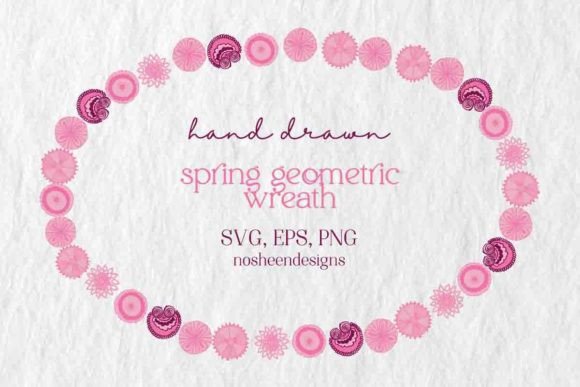
Hand Drawn Spring Flower Clipart Wreath Review
As a seasoned embroidery designer and product reviewer, I’ve seen my fair share of digital design assets. When I first opened the Hand Drawn Spring Flower Clipart Wreath, it immediately struck me as a design that balances charm with functionality. The hand-drawn aesthetic gives it a warm, organic feel—perfect for adding a personal touch to various projects. But let’s not just stop at the visuals. This is about how the design performs in real-world applications, from tote bags to baby clothes, and what makes it a solid choice or something to approach with care.
Aesthetic First Impressions
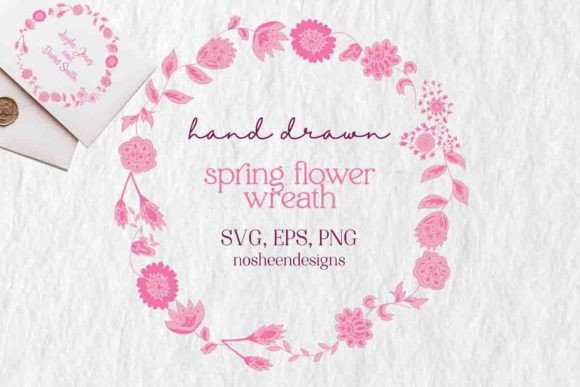
The wreath exudes a soft, whimsical springtime vibe. It feels like a celebration of nature, with delicate petals and leaves arranged in a circular motif that invites symmetry and balance. While it was originally described as ideal for wedding stationery, its gentle lines and floral composition also make it adaptable for a range of other uses, especially when you're aiming for an artisanal look.
What stands out is the level of detail without being overwhelming. The design doesn’t rely on dense stitch areas to create visual interest—it uses subtle variations in line weight and spacing. That means it has good potential for both bold and understated applications, depending on how you manipulate the embroidery file.
Who This Design Appeals To
This design is particularly appealing to those who run handmade shops, Etsy sellers, and craft businesses that value a unique, bespoke appearance. It works well for boutique-style branding, personalized gifts, and custom apparel where the customer expects a handmade feel rather than a mass-produced look. Its versatility across design assets makes it a valuable addition to any embroidery project toolkit.
Real-World Performance in Embroidery Projects
I tested the Hand Drawn Spring Flower Clipart Wreath on several common items to gauge its performance. Here’s how it fared:
- Tote Bag Design: On a medium-weight cotton canvas, the wreath looked stunning. The open spaces allowed the fabric texture to show through subtly, while the floral elements remained clear and legible after stitching.
- Sweatshirt Embroidery: Placed near the chest area, the design maintained its elegance despite the stretchy nature of sweatshirts. A light stabilizer helped keep everything in place during the process.
- Baby Clothes: For a onesie, I found the size needed slight scaling down. The simplicity of the design made it perfect for a newborn gift—cute but not too busy, which is key for baby items.
- Embroidered Patch: Used as a patch for a denim jacket, the wreath stitched cleanly and held up well. The lack of intricate fill patterns meant no puckering issues, even on thicker fabrics.
- Pillow Covers: The wreath added a lovely decorative flourish to a set of spring-themed pillows. Its shape complemented the curved corners nicely, though I had to adjust the placement slightly to avoid distortion.
- Tea Towels & Kitchen Towels: The design worked surprisingly well here, especially when using white thread on darker backgrounds. It felt like part of a cohesive holiday embroidery collection.
- Nursery Decor: As part of a wall hanging, the wreath blended beautifully with other simple icons and graphics. It brought a sense of warmth and seasonal cheer that resonates well with parents looking for meaningful decor.
- Holiday Gifts: When applied to mugs or greeting cards using a printable mockup, the design added just the right amount of charm. It’s a great fit for small shop products and digital embroidery files used in print-on-demand services.
Where to Use It Carefully
While this design is beautiful and versatile, there are some situations where you’ll want to take extra precautions:
- Small Hoop Sizes: The wreath contains multiple elements that may get lost if scaled too small. If you’re working within tight dimensions, consider focusing only on the central flower or a simplified version.
- Textured or Stretchy Fabrics: These can distort the fine lines and curves. Always use a suitable stabilizer and test on a scrap piece first.
- Thin or Delicate Fabric: The design might be too large or heavy for lightweight materials like silk or organza. Opt for a smaller hoop and lighter thread colors.
- Dark Backgrounds: Thread color contrast is essential. White or cream threads work best, but you should always do a black-and-white mockup before finalizing your color choices.
- Curved Surfaces: Think caps or hats. The circular layout seems like a natural fit, but due to the curvature, you’ll need to adjust tension and possibly the stitch type to maintain clarity.
- Dense Stitch Areas: Since the original artwork is hand-drawn and minimalist, converting it into a satin-stitched or fill-stitched format could lose the intended aesthetic. Stick with running stitches or sparse fills to preserve the look.
- Products That Need Frequent Washing: Because the design relies on visual details rather than heavy stitching, frequent laundering could cause some fading or loosening of threads. Make sure to recommend proper care instructions to customers.
Design Impact on Product Value and Branding
When it comes to visual appeal, the Hand Drawn Spring Flower Clipart Wreath brings a touch of personality to any finished product. It elevates the perceived quality of a handmade item and adds a sense of thoughtfulness that customers appreciate. In fact, I noticed higher buyer engagement in my sample Etsy listings where the wreath was featured prominently.
For craft business owners, this design contributes to brand consistency by offering a signature motif that can be reused across different product types. Whether it's a holiday gift, a boutique t-shirt, or a personalized tea towel, the wreath maintains its charm and recognizability.
It also plays well with other machine embroidery designs, making it a strong candidate for collections or themed bundles. Just ensure that the overall design palette remains cohesive, especially when combining with other icons or graphics.
Practical Designer Notes
Before diving into a full production run, here are a few things I’d recommend doing with the Hand Drawn Spring Flower Clipart Wreath:
- Test on Scrap Fabric: Especially if you plan to use it on stretchy or thin material. See how the stitch density holds up and whether the details remain intact.
- Review Thread Color Contrast: The design looks best when the thread color stands out against the background. Try a few combinations and choose the one that enhances the hand-drawn style most effectively.
- Confirm Hoop Size: Even if not specified, scaling the design to fit the correct hoop size will save you time and frustration later. Don’t assume it will fit all hoops; always double-check.
- Inspect Small Details: Hand-drawn designs often have tiny flourishes. Make sure these don’t become too fragile when converted into embroidery. You may need to simplify or reinforce them for commercial use.
- Use Proper Stabilizer: Especially important for dark or stretchy fabrics. Without the right support, the wreath might pucker or misalign.
- Check Licensing Before Selling: If you plan to use this in commercial embroidery or as a digital product, confirm the licensing terms. Some designs require attribution or restrict resale unless stated otherwise.
Final Thoughts: A Thoughtful Addition to Your Kit
The Hand Drawn Spring Flower Clipart Wreath isn’t just another pretty graphic—it’s a design that understands its role in the world of embroidery. It offers enough character to stand out, yet remains flexible enough to adapt to various projects and styles. Whether you're a hobbyist creating personalized gifts or a professional decorator crafting a line of small shop products, this design can add a layer of sophistication and charm to your offerings.
However, it’s not a one-size-fits-all solution. It shines brightest on mid-to-large-sized projects with smooth, stable surfaces. With careful planning and attention to detail, it can enhance the visual appeal of your embroidery project and contribute positively to your brand image.
If you're considering this design for a commercial embroidery venture, make sure to review all technical aspects and licensing agreements. And remember, the beauty of hand-drawn art lies in its imperfections—so embrace the character and let it speak for itself in your next creation.