Chapter 30 Embroidery Design Review
As an experienced embroidery designer and product reviewer, I always approach new designs with a critical eye. I want to know how they’ll perform in real-world applications—on fabric, under stitching tension, and after countless washes. Today, I’m taking a closer look at Chapter 30, a digital embroidery design that promises versatility across formats like SVG, PNG, DXF, PDF, and EPS. It’s part of the Crafts Graphics category, but its true value lies in what it can do for your projects.
First Impressions: Mood and Visual Personality
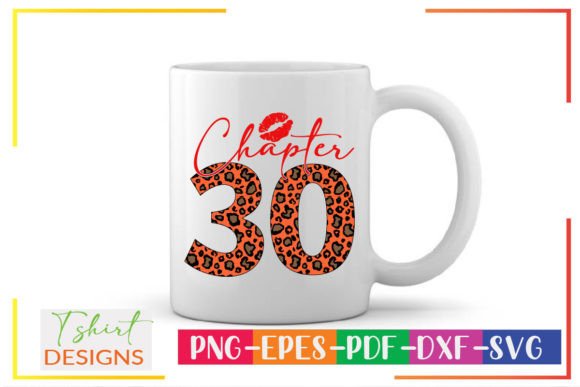
When I first opened the transparent PNG file for Chapter 30, I was struck by its clean lines and subtle detailing. The 10×10 inch size is generous enough for most standard hoop sizes, and the 300 DPI resolution ensures crisp print-ready quality. While there’s no stitch count or machine compatibility listed, the overall layout suggests a well-balanced composition, likely suited for both satin and fill stitches.
The design has a soft, literary feel, as if it were meant to accompany stories or mark chapters in handmade books, journals, or gifts. Its structure invites customization—perfect for adding names, dates, or short messages around it. It doesn’t scream for attention but rather blends into the background while still being noticeable, which makes it ideal for understated branding or personal touches on custom apparel and accessories.
Real-World Use: Where Chapter 30 Shines
I imagined using Chapter 30 on a custom sweatshirt for a client’s boutique—a cozy autumn piece with a touch of elegance. The design would work beautifully as a small motif near the hem or sleeve, complementing a more minimalist style. On a tote bag made from medium-weight cotton, it could serve as a centered graphic, especially when paired with a matching font for text.
For handmade product sellers, this design could be perfect for embroidered patches attached to aprons or baby items. Its non-intrusive nature means it won’t overpower delicate fabrics or tiny surfaces. In fact, it might even enhance the perceived value of a product due to its refined aesthetic.
Embroidery project types like pillow covers, tea towels, and holiday gifts also come to mind. These are everyday items where visual appeal and stitching clarity matter. If you're an Etsy seller or run a small shop, adding Chapter 30 to your inventory as a design asset could elevate your offerings without overwhelming them.
Where Caution Is Needed
While Chapter 30 is versatile, it does have limitations. For example, using it on very small hoop sizes could cause details to get lost or stitches to misalign. If you plan to use it on textured or stretchy fabrics, be prepared to adjust stitch density and test it thoroughly before committing to a production batch.
Thin or dark fabrics may also require careful consideration of thread colors. Since the design doesn’t specify recommended color schemes, it’s up to you to ensure contrast and visibility. Also, avoid placing it on curved surfaces like caps unless you’re confident in your ability to warp or scale it correctly without distorting the shape.
If you're planning to embroider layered garments—like a jacket over a t-shirt—you'll need to inspect the design for dense stitch areas that might pucker or pull. And for products that see frequent washing, like baby clothes or kitchen towels, always use the right stabilizer and secure corners to prevent fraying or loosening over time.
Impact on Product Value and Branding
Chapter 30 adds a level of sophistication that can subtly boost the perceived product value. When used appropriately, it contributes to a professional finish that appeals to customers who appreciate thoughtful detail in their personalized gifts or craft business items.
Its consistent shape and structure make it easy to integrate into printable mockups, helping you showcase the final result effectively to buyers. As a design element, it supports brand consistency by offering a recognizable motif that can appear across different items—whether on a holiday gift, a sweatshirt, or a patch.
From a buyer engagement standpoint, the design’s subtlety works in its favor. It doesn’t distract from other elements but instead enhances the narrative of the item it adorns. That kind of balance is rare and valuable in today’s market, where too many designs compete for attention.
Designer Notes: Making It Work for You
- Test the design on scrap fabric first—especially if you're working with a new material or machine setup.
- Check thread color contrast against your chosen fabric; consider using black and white mockups to visualize the effect.
- Review stitch density settings to prevent puckering or excessive bulk, particularly on thinner materials.
- Confirm hoop size requirements, as the design’s full potential may depend on having enough space to render all elements clearly.
- Inspect small details manually if you notice any issues during initial stitching runs.
- Use proper stabilizer to maintain fabric integrity, especially on stretchy or delicate textiles.
- Always verify whether the design is suitable for commercial embroidery before selling finished products or digital files.
- Confirm licensing terms if you plan to distribute or resell digital embroidery files.
Chapter 30 in Practice: A Case Study
Let’s walk through a practical scenario. Suppose you’re preparing a line of embroidered tea towels for your seasonal fall collection. You’ve selected Chapter 30 to represent each chapter in a themed set. The design’s quiet elegance fits perfectly here, especially when paired with muted thread colors like deep amber, slate gray, or forest green.
However, because the design is intended for multiple formats, not just embroidery, you’d need to check if the SVG or DXF files are compatible with your software. Once confirmed, test it on a sample towel. Look for clarity in the corners and uniformity in the stitch patterns. Adjust stabilizer type and tension if needed.
If everything checks out, you can confidently add it to your listings. Customers will appreciate the clean look and the sense of craftsmanship it brings. It’s the kind of design that says “carefully curated,” and that goes a long way in building customer trust and repeat sales.
Final Thoughts for Creative Entrepreneurs
Chapter 30 is not the flashiest design you’ll find, but it’s reliable, adaptable, and aesthetically pleasing. It speaks to the needs of those who value quality over quantity—especially embroidery designers, apparel decorators, and small shop product creators who rely on consistent results.
Whether you're making personalized gifts, setting up a boutique line, or expanding your digital product catalog, this design has the potential to become a staple in your repertoire. Just remember to adapt it to your specific tools and materials. Always review the technical aspects before jumping into production, and don’t hesitate to tweak the design to suit your vision.
In short, Chapter 30 offers a great foundation for thoughtful, high-quality embroidery work. With the right preparation and attention to detail, it can transform ordinary items into meaningful, marketable pieces.